
Working Safely in the Heat: NZ Heat Stress & Cooling Workwear Guide
Heat stress happens when your body can’t shed heat as fast as it builds up. In NZ, it’s driven by more than air temperature: humidity, direct sun, hard physical work and heavy clothing or PPE all add to the load. The best protection is a plan covering water, shade, rest and acclimatisation, backed by lightweight workwear and cooling products.
What Is Heat Stress?
Heat stress is the strain on your body when it’s working hard to stay cool. If it isn’t managed, it can progress from heat rash and cramps to heat exhaustion, and then to heat stroke, which is a medical emergency. These factors all add to the strain:
- Air temperature and humidity
- Direct sun, and radiant heat from machinery, roofs or hot surfaces
- How hard you’re working
- Heavy or non-breathable clothing and PPE
- Not being used to the heat yet (acclimatisation)
- Dehydration, illness or tiredness
Signs of Heat Exhaustion and Heat Stroke
Learn these signs in yourself and your workmates, because heat illness can escalate quickly. For more detail, see WorkSafe’s guide for workers on working in extreme heat and Health NZ’s page on heat exhaustion and heat stroke.
Signs of heat exhaustion include:
- Heavy sweating
- Dizziness or feeling faint
- Headache
- Nausea
- A fast pulse
- Muscle cramps
- Weakness or tiredness
Signs of heat stroke include:
- Confusion or slurred speech
- Hot, flushed skin that may be dry
- Collapse or loss of consciousness
- A very high body temperature
- Seizures
Heat stroke is an emergency. Call 111, move the person into shade, start cooling them straight away, and never leave them alone. Treat any confusion in the heat as heat stroke until proven otherwise. This guide is general information, so follow your employer’s first aid procedures.
What the Law Says About Working in Heat
New Zealand doesn’t set a maximum workplace temperature. Under the Health and Safety at Work Act 2015, employers (PCBUs) must manage the risk of heat so far as is reasonably practicable, in consultation with workers. WorkSafe’s guidance includes scheduling work for cooler times, providing shade and water, rotating tasks, and training workers to spot heat illness. If you’re worried about heat on your site, raise it with your employer or health and safety representative.
Build a Heat Safety Plan That Works
- Drink water regularly, before you feel thirsty.
- Take breaks in the shade or a cool area, and take more of them as it gets hotter.
- Schedule the heaviest work for the cooler part of the day.
- Give new starters and anyone returning from leave time to acclimatise.
- Use a buddy system, so someone is watching for early signs.
- Make sure first aiders know how to respond to heat illness.
Hydration and Electrolytes: Why Water Alone Isn’t Always Enough
When you sweat, you lose more than water. You also lose electrolytes, which are salts such as sodium, potassium and magnesium that your body needs for muscles, nerves and fluid balance. Replacing only the water can leave you short on salts, and drinking very large amounts of plain water can dilute the sodium in your blood, which can be dangerous.
US guidance from NIOSH suggests drinking about a cup of water (roughly 250 ml) every 15 to 20 minutes in hot conditions, and drinking before you feel thirsty. It notes that most workers who eat regular meals and salty snacks replace the salts they lose, and that a balanced electrolyte drink is another option on long shifts of heavy sweating. It advises against salt tablets unless a doctor says otherwise.
Thorzt makes hydration products for hot, physical work, and Tradestaff Workwear stocks them:
- The Thorzt 99% Sugar Free Hydration Shots are 3 g sachets that make 600 ml of drink. The formula includes sodium, potassium and magnesium, plus B and C vitamins, L-glutamine and BCAAs, and it’s caffeine and gluten free. They come in five flavours, in a 50-pack.
- The Thorzt Vend Ready Solo Shot 5pk has the same shots in a 5-sachet pack, suited to portion-controlled distribution.
- The Thorzt Icy Pole Mixed Flavour Pack is a 10-pack of freezable icy poles that you snap and twist open, with no scissors needed on site. Thorzt’s listing cites research showing that ingesting ice lowered core body temperature more effectively than drinks served at 4°C.
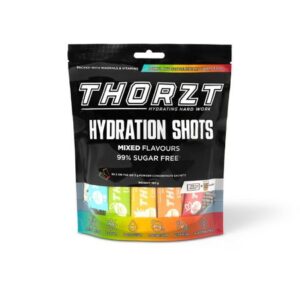
Hydration products support your heat plan, but they don’t replace water, shade and rest. If you have a medical condition or take medication, particularly for blood pressure or kidney problems, check with your doctor about salt and electrolyte intake. Browse the full hydration range.
What to Wear When It’s Hot
Clothing can add to your heat load or help reduce it. For hot NZ conditions, look for:
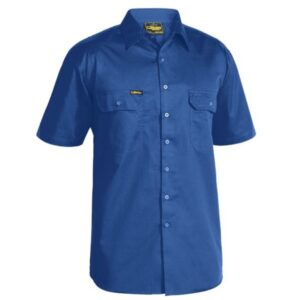
- Lightweight, breathable fabrics with ventilation panels. The Bisley Cool Lightweight Drill Shirt BS1893 has cotton mesh ventilation down the back and under the arms.
- Hi-vis that breathes. The Bisley Taped Hi Vis Cool Lightweight Shirt BS1896 has the same mesh ventilation, plus reflective tape.
- Sun protection. Fabrics rated UPF 50+ block about 98% of UV rays, and several Portwest garments carry that rating.
- Light colours and a relaxed fit, which let air move around your body.
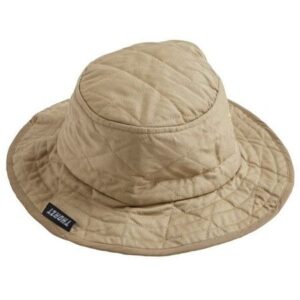
- A hat that shades your face and neck. The Thorzt Cooling Ranger Hat has a cooling inner fabric that stays cool when it’s wet.
- Shorts, where your site allows them.
Cooling Products That Help
Evaporative cooling products are activated with water. As the water evaporates, it draws heat away from your body, and they don’t need batteries or electricity.
- The Portwest Cooling Vest CV01 goes over your work clothes. Soak it, squeeze out the excess and wear it. It’s rated to keep you cool for up to 8 hours, and the fabric is UPF 50+.
- The Cooling Neck Scarf CV05 and Cooling Headband CV04 sit at your neck or under a helmet or hat, with a neck shade for extra UV protection.
- The Cooling Sleeves CV08 are stretchy sleeves you can wear wet or dry.
- The Thorzt Cooling Chill Towel CSB works on a simple routine: wet, wring and wave.
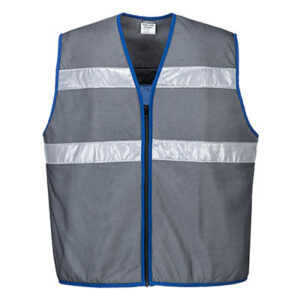
These products support your heat plan, but they don’t replace it. Evaporative cooling works best in dry, breezy conditions and is less effective in very humid weather, so keep drinking water and taking breaks. For more on the brands and the technology, read our Cooling Technology Workwear guide.
Before You Start Your Shift
- Fill your water bottle
- Pack a cooling towel or neck scarf
- Wear lightweight, breathable layers
- Apply sunscreen and wear a hat
- Check where the shade and cool-down areas are
- Agree check-in times with your workmates
Look Out for Your Workmates
Heat illness can make people confused, so they may not realise they’re in trouble. If a workmate seems unusually quiet, unsteady, irritable or confused, stop work, get them into shade and give them water if they’re alert. If they’re confused or have collapsed, call 111.
Frequently Asked Questions
What is heat stress?
Heat stress is the strain on your body when it can’t cool itself fast enough in hot conditions. Humidity, sun, hard work and heavy clothing all contribute. If it isn’t managed, it can lead to heat exhaustion and then heat stroke, which is a medical emergency.
What’s the difference between heat exhaustion and heat stroke?
Heat exhaustion causes heavy sweating, dizziness, headache, nausea and cramps. Heat stroke is far more serious and can bring confusion, hot skin and collapse. Call 111 for suspected heat stroke, and start cooling the person while you wait for help.
Is there a maximum temperature you can work in under NZ law?
No. NZ law doesn’t set a maximum workplace temperature. Under the Health and Safety at Work Act 2015, employers must manage heat risks so far as is reasonably practicable, which can include shade, water, breaks and adjusted work schedules.
Do cooling vests work?
For many workers, yes. An evaporative cooling vest like the Portwest CV01 draws heat from your body as the water in it evaporates. It works best in dry, breezy conditions and supports, but doesn’t replace, water, shade and rest.
How long does a cooling vest stay cool?
The Portwest CV01 is rated to keep the wearer cool for up to 8 hours after a soak. When the vest dries out, soak and squeeze it again to reactivate it. Cooling time varies with temperature, humidity and how hard you’re working.
What is the best workwear for hot weather?
Choose lightweight, breathable fabrics with ventilation panels, a relaxed fit and light colours. Look for UPF 50+ sun protection, add a brimmed hat, and consider a cooling neck scarf or vest. Hi-vis cool shirts keep you visible without trapping as much heat.
How do I stay cool working outside in summer?
Drink water regularly, take breaks in the shade, and do the heaviest work in the cooler part of the day. Wear lightweight, breathable clothing and a hat, and use cooling products like a neck scarf or chill towel to help manage heat.
Ready for summer? Browse our cooling range, work shorts and work shirts, or call the team on 03 266 1595 and we’ll help you build a kit that suits your site.